Em Rabelais, Phd, Mbe, MS, MA, RN

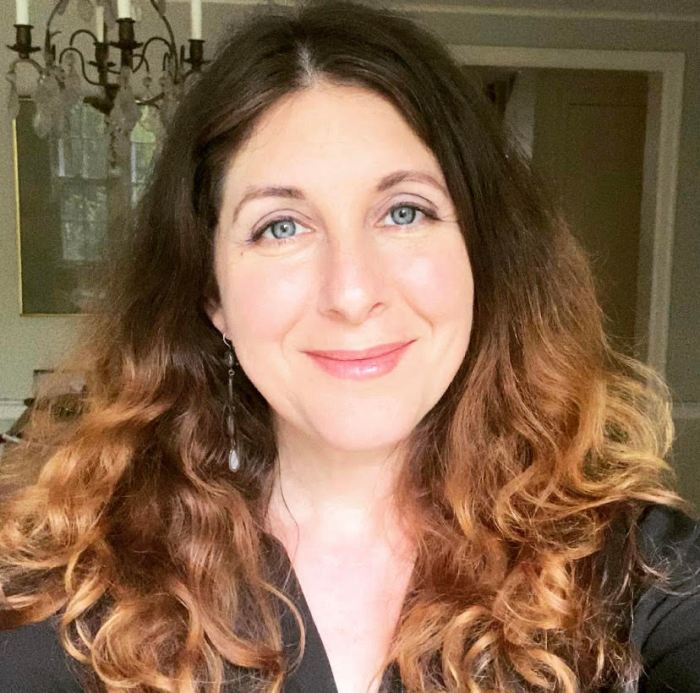
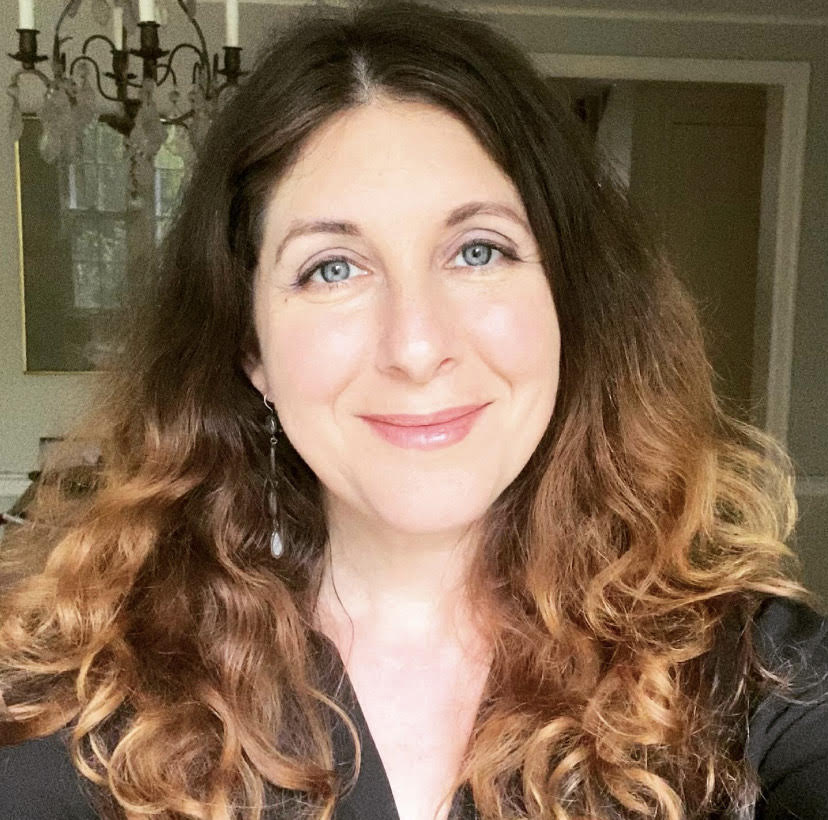
Interdependent Scholar Em Rabelais (fae/femme/faer) is a white, disabled, queer, non-binary/agender, trans femme abolitionist health ethicist, problem-solver, story-teller, analyst, nurse, and disrupter and dismantler of whiteness and white supremacist feminisms in education, research, healthcare, and other settings. In addition to whiteness as a racist oppression, fae also addresses whiteness as it impacts disability through ableism and transgender people through transmisia and transmisogyny. Faer goals in this work are to support community members, students, workers, administrators, and others to make current practices accessible and without oppression. Em has done this with hospitals, academia, students, patients, researchers, educators, and others. To connect with femme, visit Em on Twitter or faer website, emrabelais.com.

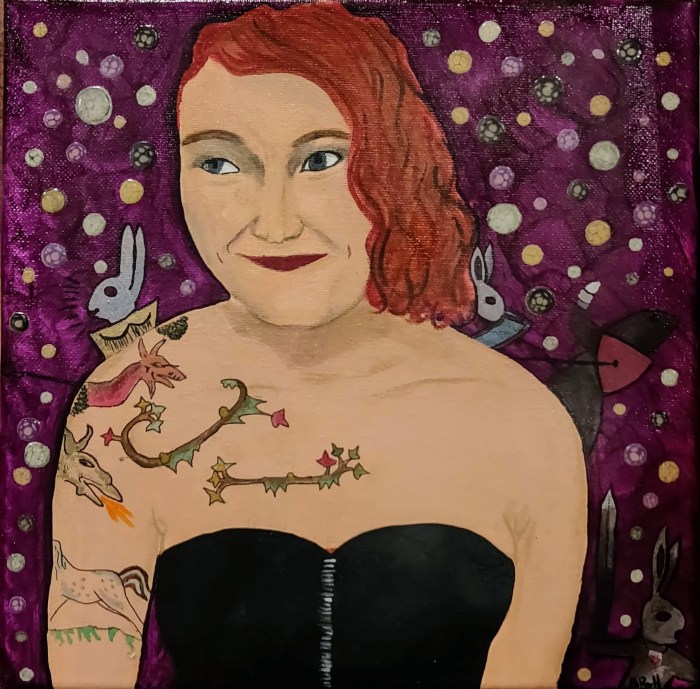
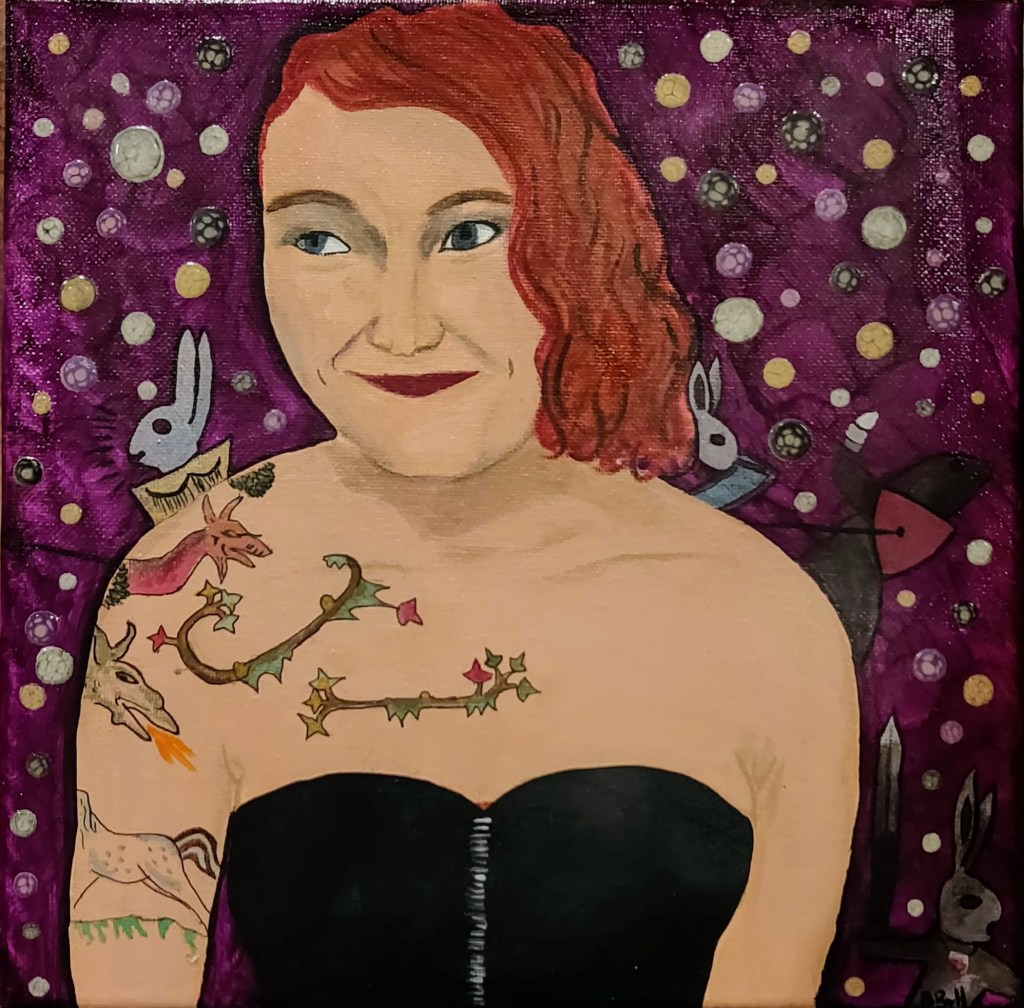
Pictured at left, painting of Em Rabelais by Blythe Bell. Description: white femme person with wavy red-brown hair in black corset with tattoos of mythical creatures on faer right arm and chest, on a purple polka dotted background.

Healing and Health Equity in an A.I. Era:

On the Urgent Need for Accountability and Repair – a talk with Rae Walker

Almost anywhere we practice, nurses and other healers are now challenged to manage the continued expansion of big data and AI in our personal lives, clinical care and the public sphere. These are powerful technologies that may play a role in supporting health and health equity, but they can also cause harm in ways that may be unpredictable and non-transparent. While health professionals adhere to the principle, “first, do no harm,” guidance on how to operationalize this commitment in the context of A.I.-related data work continues to lag behind. This presentation addresses that practice gap by illuminating certain fundamental tensions between goals such as health equity and critical histories of A.I., exploring conditions under which the critical consent of patients and communities might be possible, appraising broader impacts of these technologies beyond individual health outcomes, and finally, discussing possible mechanisms by which informaticists and institutions might engage in accountability and repair of harm caused by A.I. systems.

Learning Objectives

By the end of this presentation, learners will be able to:

  • Discuss fundamental tensions between critical histories and currently dominant narratives about the origins and functions of artificial intelligence for health and care
  • Demonstrate curiosity about how to support conditions in which critical consent, as it relates to A.I. and associated data practices, might be possible for themselves and for persons they work with and for
  • Appraise planetary health implications of common forms of A.I. for health and care
  • Investigate further approaches for implementing systems of accountability and repair related to in their own A.I.-related practices and scholarship.

May 4, 2022 @ 12ET – link to AMIA Nursing Informatics Working Group Page. To register, email: kdudding@uab.edu or galatzan@uab.edu for the ZOOM link.
Big Anxiety and an invitation

SHARE YOUR PANDEMIC EXPERIENCES: INVITATION FOR NURSES AND MIDWIVES TO SHARE YOUR EXPERIENCES FOR AN EXHIBITION AT RMIT GALLERY

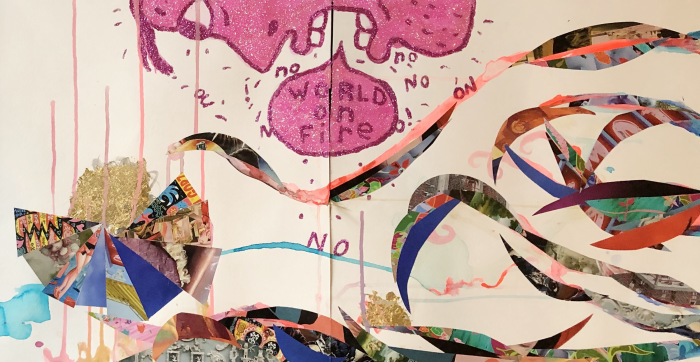
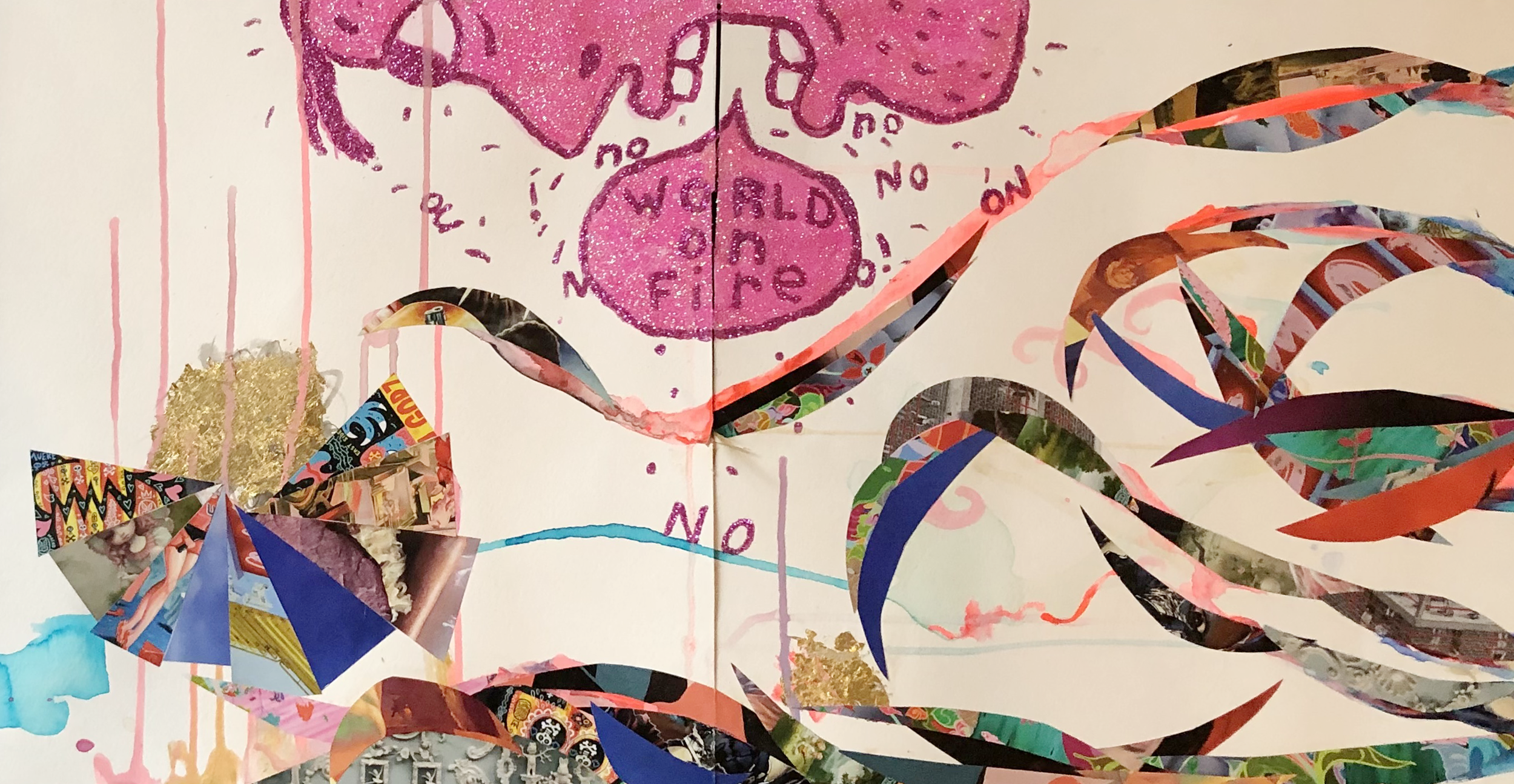
Detail from The Eco-Squisite Corpse, 2022, a collaborative artwork led by Peter Hopkins and Jane Hopkins Walsh. Image detail by @AlanKing55 @michellemcauliffe. Image documentation courtesy of Jane Hopkins Walsh.

A group of RMIT researchers – including Nursing a Radical Imagination contributor Ruth De Souza – from the areas of art and health are developing an exhibition for The Big Anxiety Festival 2022 in Melbourne that gives a platform to nurses and midwives to share their experiences of the pandemic.

We warmly invite nurses and midwives to submit creative responses about your experiences of working in the COVID-19 pandemic.

Learn more about the project and contribute here.

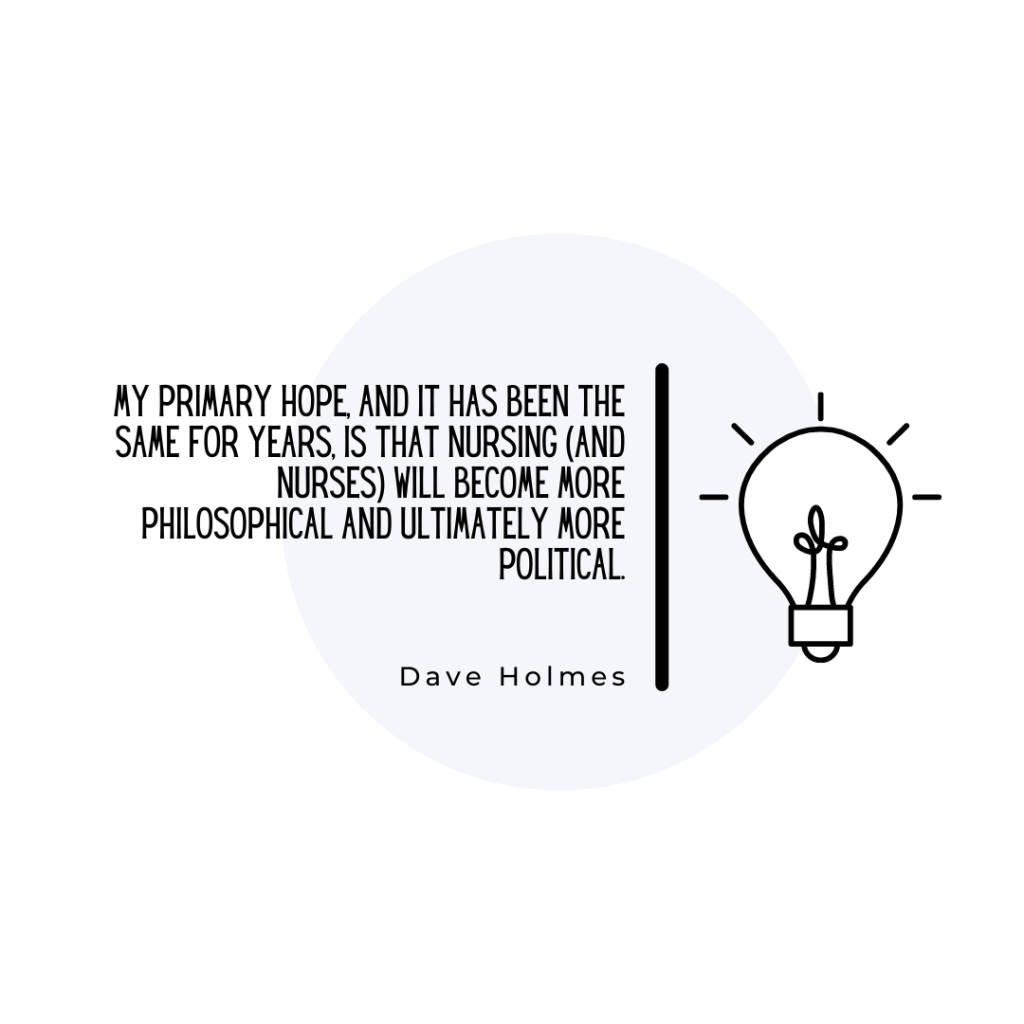
Dave Holmes, RN, PhD, FAAN, FCAN

Dave Holmes, RN, PhD, FAAN, FCAN is Full Professor of Nursing and University Research Chair at the University of Ottawa, School of Nursing (Ottawa, Canada) and also Researcher at Institut national de psychiatrie légale Philippe-Pinel (Montréal, Canada) and The Royal Ottawa Hospital Research Center (Ottawa, Canada). After completing his B.Sc. (Ottawa, 1991), M.Sc. (Montreal, 1998) and Ph.D. (Montreal, 2002) in Nursing, he has completed a CIHR post-doctoral fellowship in Health Care, Technology and Place at the University of Toronto (2003). To date, Professor Holmes has received funding from the Canadian Institutes of Health Research and the Social Sciences and Humanities Research Council of Canada, to conduct his research program on risk management in the fields of public health and forensic nursing. Most of his works, comments, essays, analyses and empirical research are based on the poststructuralist works of Deleuze & Guattari and Michel Foucault. His works have been published in top-tier journals in nursing, criminology, sociology and medicine. To this day, he has published over 180 articles in peer reviewed journals and 55 book chapters. He is co-editor of Critical Interventions in the Ethics of Health Care (Routledge – April 2009), Abjectly Boundless: Boundaries, Bodies and Health Care (Routledge – January 2010), (Re)Thinking Violence in Health Care Settings: A Critical Approach (Routledge – December 2011), Power and the Psychiatric Apparatus (Routledge – March 2014) and, Radical Sex Between Men: Assembling Desiring-Machines (Routledge – September 2017). His is also Founding Editor-in-Chief of APORIA – The Nursing Journal (2011-2021). Professor Holmes has presented at numerous national and international conferences and was appointed as Honorary Visiting Professor in Australia, Canada, Indonesia, the United States and the United Kingdom. He is a fellow of the American Academy of Nursing and the Canadian Academy of Nursing. In December 2020, he has been listed as one of the top 2% most cited researchers (since 1965) in the world by Stanford University.

Emmanuel Christian Tedjasukmana, RN, BSN, MFA (he/him/his)

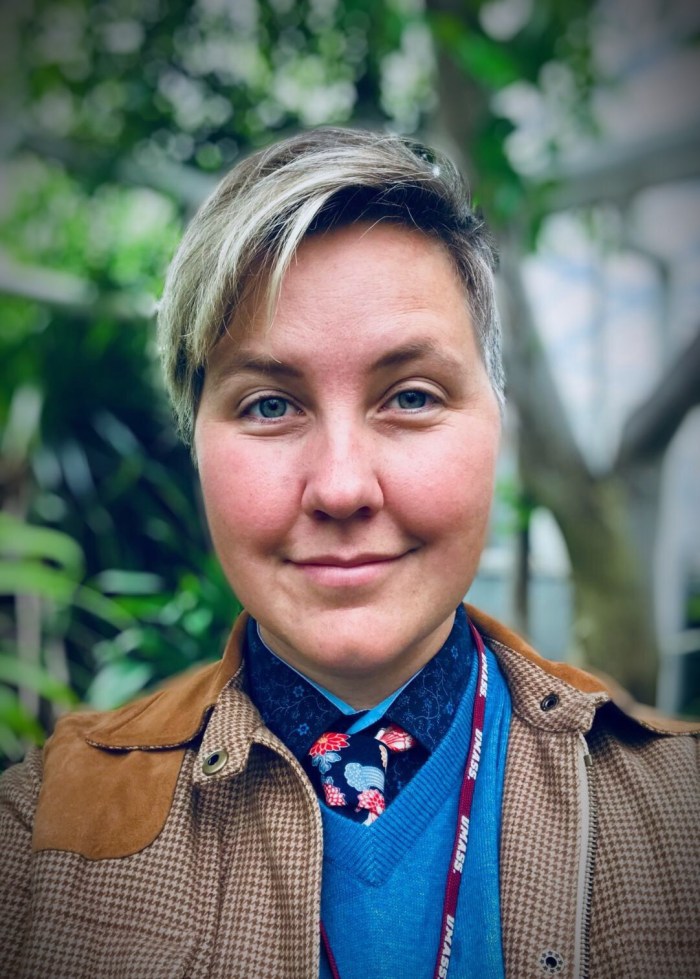
Emmanuel Christian Tedjasukmana, RN, BSN, MFA (he/him/his) is a nurse, artist, and designer currently residing in Vermont.


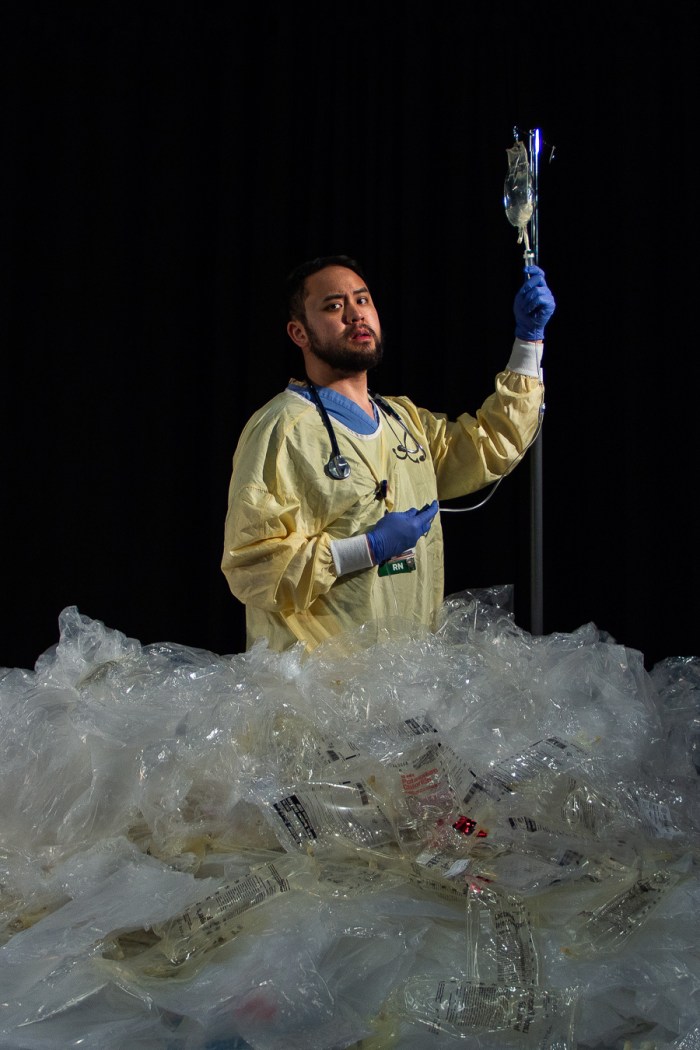
First-generation American to Chinese-Indonesian immigrants, Christian graduated with a BA in Spanish and a BS in Nursing from Andrews University in Berrien Springs, Michigan. He completed his MFA in Emergent Media at Champlain College in Burlington, Vermont. Melding both nursing and art together, his work calls attention to current myopic healthcare practices that contribute to climate change and negatively impact health. His thesis, entitled, “Do No Harm”: An Artist’s Attempt to Shift Healthcare Culture Within the Anthropocene explored ways in which
artists can increase public engagement through the use of art, design, and digital media in order to impel demands for sustainable changes within healthcare. His photographic body of work, entitled, Myopia: Harming in Order to Heal went on to win 1st Prize at the Juried Show for the 2019 South End Art Hop in Burlington, Vermont.

In addition to focusing his art practice on creating awareness about the healthcare industry’s impact on climate change, Christian works on freelance projects in graphic design and works as a Human-Centered Design/User-Experience Design consultant within his local community. He also works as a Post-Anesthesia Care Unit nurse and is always looking for ways to implement sustainable practices within the healthcare setting.

You can see more of his work at www.christiantedjasukmana.com and keep up to date with his projects via Instagram @the.crystalloid.creative.

Cory Ellen Gattrall

Cory Ellen Gatrall, MFA, RN, is a COVID public health nurse and PhD student in nursing at the University of Massachusetts Amherst. Prior to the pandemic, she provided care in labor/delivery/postpartum and abortion services. After receiving a bachelor’s degree in anthropology and a master of fine arts in creative writing, she worked as a full-spectrum doula and abortion clinic escort organizer; she became a nurse to turn her passion into her career (and maybe get her vounteer hours under control). She sits on the board of the Abortion Rights Fund of Western Massachusetts, and is co-organizing an abortion doula collective. Her research interests lie at the intersections of nursing, history, public health, and anthropology. 

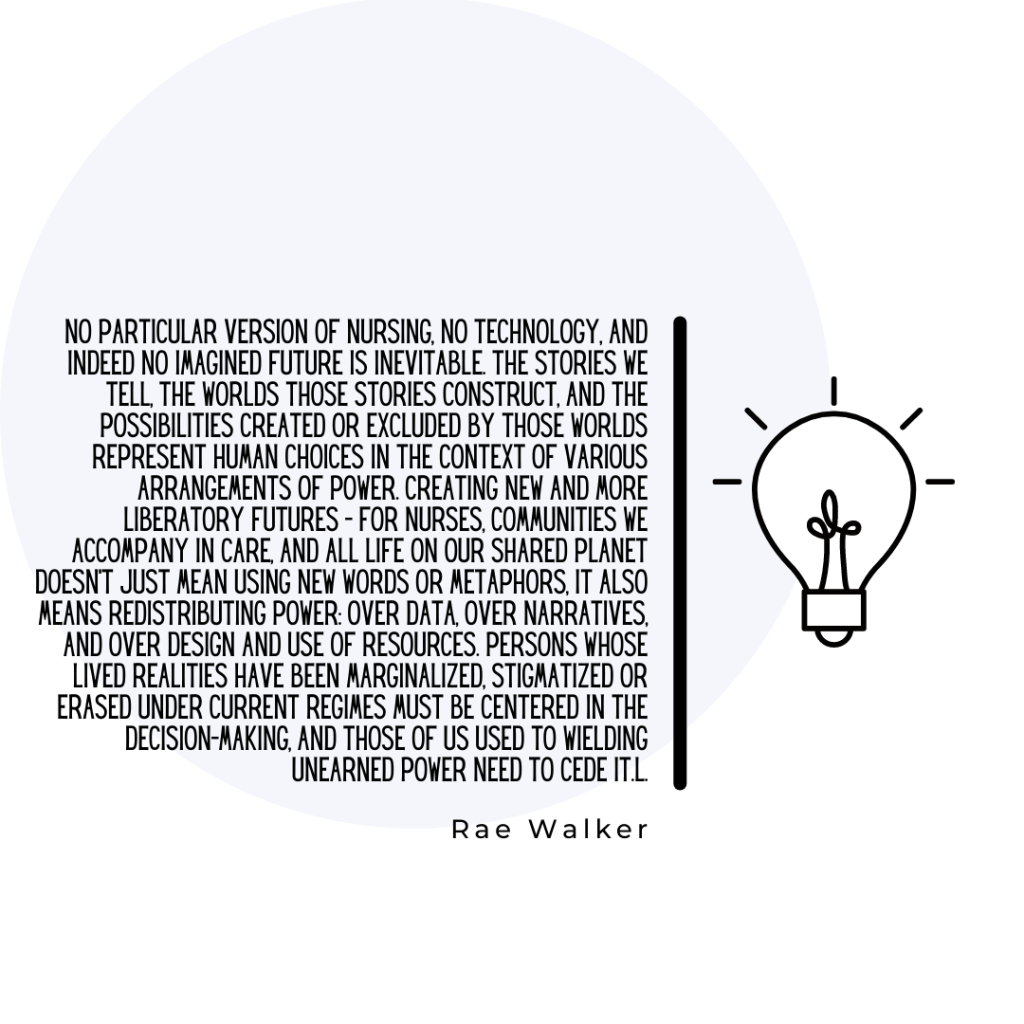
Rae Walker

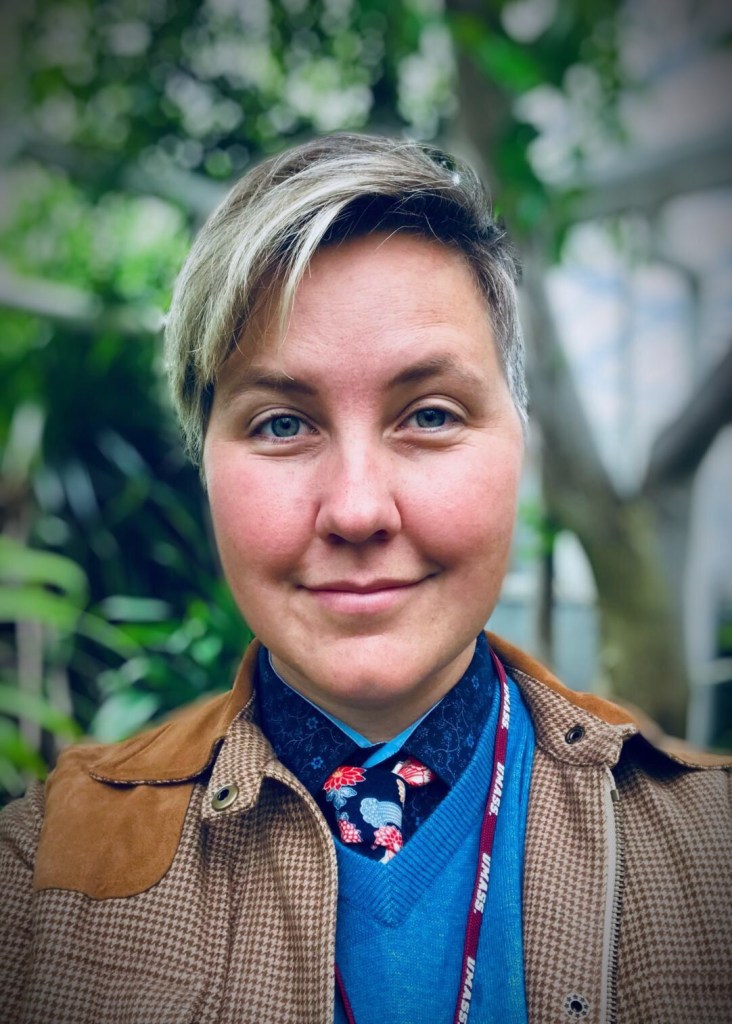
Rae Walker (they/them) is a white, trans, non-binary, queer, non-disabled settler and associate professor of nursing, Fellow of the American Academy of Nursing, and the first nurse to serve as an Invention Ambassador for the American Association for the Advancement of Science. They direct the Nursing PhD Program at the University of Massachusetts Amherst and serve as an Associate Director of the IALS Center for Personalized Health Monitoring, a translational science center specializing in critical analysis and co-creation of A.I., sensors, and mHealth. Following service in the U.S. Peace Corps Mali, they completed their nursing training, PhD, Certificates in Nursing Education and Health Inequities, and a Postdoctoral Fellowship at Johns Hopkins University. They teach courses on data narratives, measurement, and power, and their scholarship focuses on community-directed health innovation and digital defense against harmful technologies. Their advocacy for design justice and more inclusive invention ecosystems has been featured in magazines such as Forbes, Scientific American, Science and on NPR. They’ve consulted on policy for the U.S. Patent & Trademark Office, White House Office of Science and Technology Policy, and industry. They are a co-founder of the digital collective Nursing Mutual Aid and an advisor to TransHealth Northampton, a gender-affirming and trans-led primary care practice located on land stolen from the Nipmuc Nation. Their children describe them as “kind, cute…and big”.

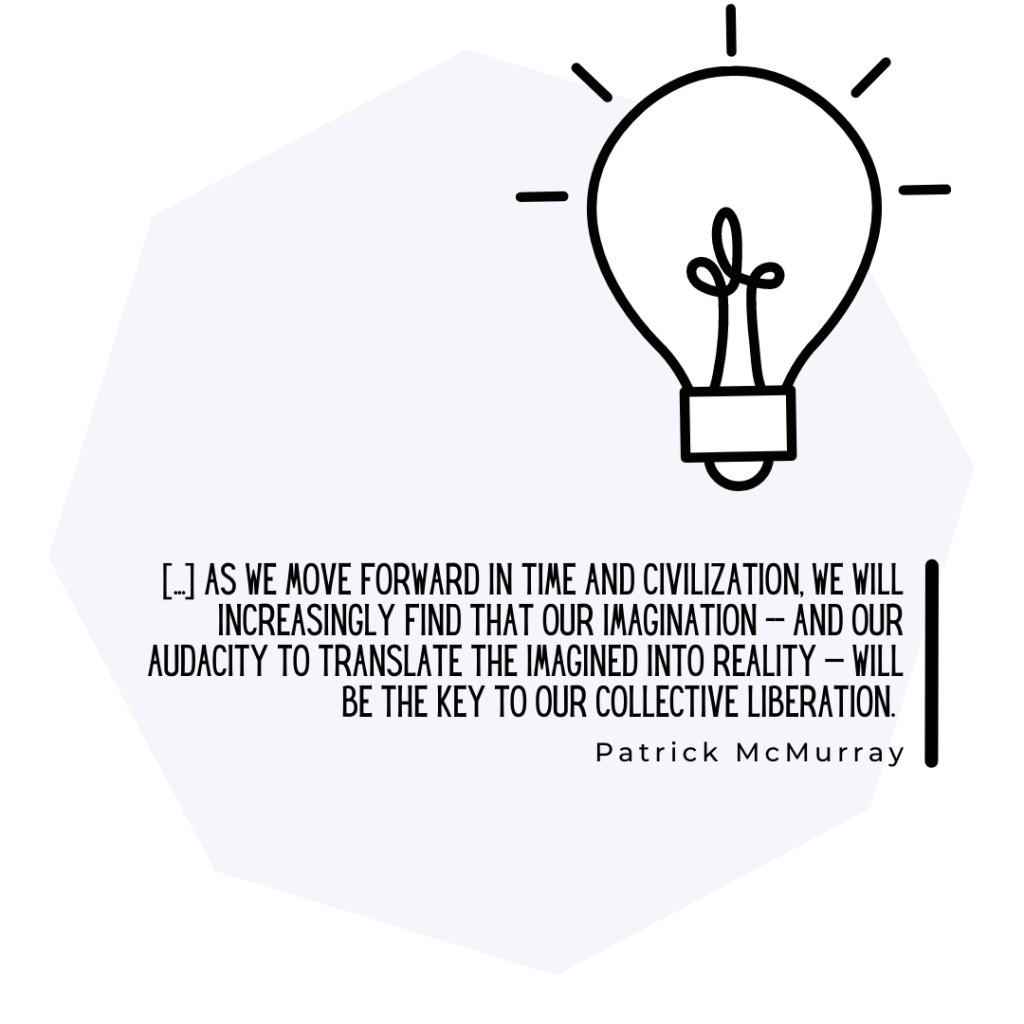
Patrick McMurray

Patrick McMurray is a second-generation registered nurse with over eight years of nursing experience with a primary background in cardiovascular critical care. He works as a clinical nurse at the University of NC at Chapel Hill (UNC) Medical Center in Chapel Hill, NC. Patrick is an ardent supporter of community college nursing education programs and started his career as an ADN-prepared nurse.  He teaches pharmacology to LPN and ADN as an adjunct Faculty member at Robeson Community College. He is a graduate student pursuing a master of science in nursing, focusing on nursing education at Western Governors University. Patrick’s scholarly interests stem from his interest in social and health equity via equitable accessibility to nursing education and career progression as well as science. He is a member of the editorial board of the Teaching and Learning in Nursing Journal and the Organization of Associate Degree Nurses. Patrick also holds membership in the nursing theory collective (NTC), the citizen science association, and the social media collaborative Disrupt and Reimagine nursing (DnR Nursing). In his spare time, Patrick manages the PatMacRN website & blog and enjoys reading, writing, and hiking. Patrick is also an avid citizen scientist, and enjoys citizen science projects related ecology, astronomy, marine science, and health.

Ruth De Souza

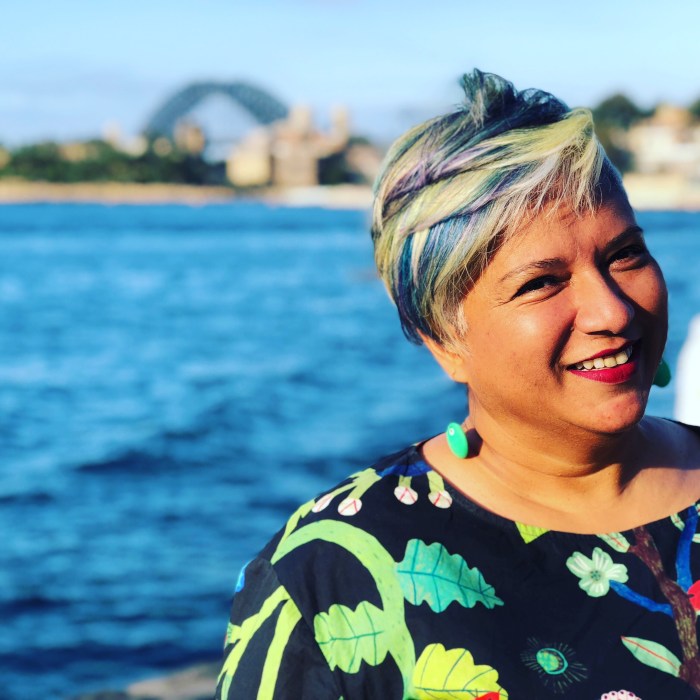
Ruth De Souza is a highly experienced multidisciplinary educator, researcher and consultant, specialising in cross cultural engagement, cultural safety, and the interface of digital technologies within culturally and linguistically diverse communities. Her background is in nursing where she has extensive experience as a clinician, researcher and academic in New Zealand and Australia. Ruth is a 2020 RMIT University Vice Chancellor’s Fellow, based in the School of Art and a member of the Design and Creative Practice Enabling Capability Platform (ECP). Her fellowship project aims to engage health professionals in finding new ways to understand, co-design and implement sustainable cultural safety initiatives in a range of health contexts.